Recognizing the Signs of Low Testosterone and Steroid Hormone Levels
Posted on
Understanding Testosterone
Testosterone is a steroid hormone essential for developing and maintaining male characteristics. However, it also plays a significant role in females. In men, testosterone is mainly produced in the testicles. In women, it is made in the ovaries and adrenal glands. This hormone has many vital functions. It influences different biological systems and contributes to overall health.
Normal testosterone levels can vary a lot. Age, sex, and health all affect these levels. In adult males, normal testosterone levels range from 300 to 1,000 nanograms per deciliter (ng/dL). Levels are highest during late adolescence and early adulthood. After that, they gradually decline with age. Testosterone levels are usually lower for females, ranging from 15 to 70 ng/dL. Even though these levels are lower, testosterone is still essential for women’s health. It affects libido, bone density, and muscle mass.
Testosterone impacts many aspects of health. For example, it affects mood, energy levels, and sexual function. Low testosterone levels can cause several symptoms. These can include fatigue, depression, reduced sex drive, and trouble maintaining muscle mass. Testosterone also interacts with other hormones, like estrogen and cortisol. This interaction is crucial for keeping hormonal balance and overall health. Adequate testosterone levels can help regulate mood and cognitive function. They also support energy production in the body.
Understanding testosterone’s role in both men and women is essential. It helps to recognize symptoms of hormonal imbalance. Awareness of these factors allows individuals to take proactive steps for their health. This way, they can help ensure testosterone levels stay within normal ranges throughout life.
Common Symptoms of Low Testosterone
Low testosterone steroid hormone levels can lead to many physical and emotional symptoms. These symptoms can significantly affect a person’s quality of life. One common issue is a decrease in libido. This means a lower interest in sexual activity. This change can affect emotional connections and physical relationships. It may lead to feelings of frustration or inadequacy.
Another symptom often linked to low testosterone is erectile dysfunction. Men may find it hard to achieve or maintain an erection. This can cause distress and complications in intimate relationships. Fatigue is also a common symptom. People may experience a significant drop in energy levels. Daily activities can become more challenging. This exhaustion often affects motivation and zest for life.
Additionally, low testosterone can cause muscle mass loss. Individuals may notice decreased strength and endurance, making exercising or staying active harder. This symptom can affect physical appearance and lead to helplessness or frustration.
Psychological symptoms are also concerning. Mood swings may become more noticeable. Individuals might experience rapid shifts from happiness to sadness. Depression is a significant concern as well. Those with low testosterone may feel overwhelming despair or hopelessness. Increased irritability can also occur, leading to conflicts in personal relationships.
Don’t keep this gem to yourself! Imagine the ripple effect when your post shines brightly, reaching and inspiring the audience it was meant for. By sharing it, you’re not just spreading a message; you’re creating a wave of positivity and connection that could change someone’s day—or even their life. Let’s amplify its impact together—will you share it and let it sparkle in the spotlight?
These symptoms can vary from person to person. They can also be experienced differently in men and women. Recognizing these signs is essential for seeking help. Appropriate interventions can significantly improve an individual’s emotional well-being and physical health.
Causes and Risk Factors for Low Testosterone Levels
Low testosterone steroid hormone levels can have various causes and risk factors, which significantly impact men’s health. One common reason is age-related decline. As men get older, testosterone production naturally decreases, often starting around age 30. This gradual decline can lead to noticeable symptoms affecting physical, emotional, and sexual health. While aging is a natural process, it is essential to recognize its role in hormonal changes.
Medical conditions also play a big part in developing low testosterone. Conditions like obesity and diabetes are particularly concerning. Obesity can cause hormonal imbalances. It increases aromatase activity, which converts testosterone into estrogen. Similarly, diabetes is often linked to low testosterone levels. This may be due to insulin resistance and related metabolic issues. Managing these health problems is crucial for improving hormonal health.
Lifestyle factors can also increase the risk of low testosterone. Chronic stress is a significant contributor. High cortisol levels can hinder testosterone production. Poor dietary habits can also negatively affect hormone levels. Eating a lot of processed foods and not enough nutrients is harmful.
Additionally, a lack of physical activity can lead to obesity and its complications, creating a cycle that affects testosterone levels. Regular exercise is essential for maintaining hormonal balance, and physical activity has been shown to help boost testosterone production.
Genetics also plays a key role in testosterone levels. Certain genetic factors can make individuals more prone to hormonal imbalances. Additionally, some medications, like opioids, corticosteroids, and certain antidepressants, are known to lower testosterone levels. Understanding these various causes of low testosterone can help in taking preventive measures and effectively addressing symptoms.
Diagnosing and Managing Low Testosterone
Diagnosing low testosterone and steroid hormones deficiency usually begins with a thorough evaluation by a healthcare professional. This includes reviewing symptoms and conducting blood tests to measure testosterone levels. Typically, testosterone levels are checked in the morning when they are highest. A reading below the normal range may indicate low testosterone and may require further investigation. Consulting a qualified healthcare provider for an accurate diagnosis and personalized advice is crucial.
Low testosterone can cause fatigue, low libido, decreased muscle mass, and mood changes. Therefore, a comprehensive assessment considering blood test results and symptoms is crucial for a correct diagnosis. Healthcare professionals might suggest additional tests to rule out or identify underlying conditions that contribute to low testosterone.
Once diagnosed, managing low testosterone can involve various approaches tailored to individual needs. Lifestyle changes can be significant in treatment. Regular exercise, a balanced diet, and good sleep can positively impact testosterone levels. Specific nutrients, like zinc and vitamin D, are linked to testosterone production and can be beneficial when included in the diet.
For individuals with significantly low testosterone levels, hormone replacement therapy (HRT) is often considered. This therapy involves administering testosterone through injections, patches, or gels. This can help alleviate symptoms effectively. However, patients should discuss the risks and benefits of HRT with their healthcare providers.
In conclusion, managing low testosterone should take a holistic approach. This means combining medical treatments with lifestyle changes to improve overall health and well-being. It is vital to consult healthcare professionals for proper diagnosis and the best treatment plan.
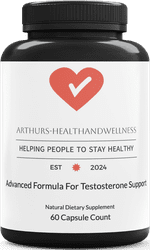
The bottle, called Testosterone Supplements Optimized, is black and white with a heart and checkmark design. It contains 60 capsules to help balance hormone levels and support overall health. Subscribe for a Free eBook.
“You have the power to make this post shine and reach the audience it deserves, will you please share?
I invite you to visit my heartfelt corner of the internet at https://myeziestmoolah.org, where posts resonate with the soul. Your support means the world to me, so please consider subscribing, liking, sharing, and leaving a comment. Every gesture of kindness, no matter how small, is deeply appreciated and helps keep this passion alive. Thank you for being a part of this journey!
1 thought on “Recognizing the Signs of Low Testosterone and Steroid Hormone Levels”
To provide the best experiences, we use technologies like cookies to store and/or access device information. Consenting to these technologies will allow us to process data such as browsing behavior or unique IDs on this site. Not consenting or withdrawing consent, may adversely affect certain features and functions.
Functional
Always active
The technical storage or access is strictly necessary for the legitimate purpose of enabling the use of a specific service explicitly requested by the subscriber or user, or for the sole purpose of carrying out the transmission of a communication over an electronic communications network.
Preferences
The technical storage or access is necessary for the legitimate purpose of storing preferences that are not requested by the subscriber or user.
Statistics
The technical storage or access that is used exclusively for statistical purposes.The technical storage or access that is used exclusively for anonymous statistical purposes. Without a subpoena, voluntary compliance on the part of your Internet Service Provider, or additional records from a third party, information stored or retrieved for this purpose alone cannot usually be used to identify you.
Marketing
The technical storage or access is required to create user profiles to send advertising, or to track the user on a website or across several websites for similar marketing purposes.


 Don’t keep this gem to yourself! Imagine the ripple effect when your post shines brightly, reaching and inspiring the audience it was meant for. By sharing it, you’re not just spreading a message; you’re creating a wave of positivity and connection that could change someone’s day—or even their life. Let’s amplify its impact together—will you share it and let it sparkle in the spotlight?




1 thought on “Recognizing the Signs of Low Testosterone and Steroid Hormone Levels”