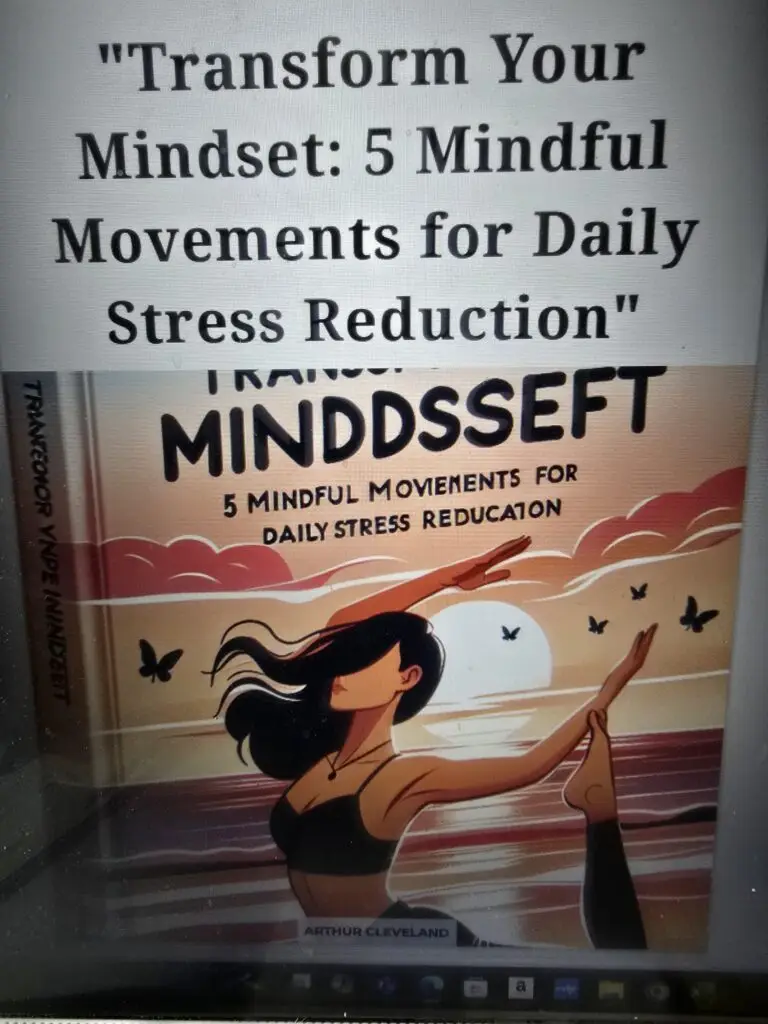
Relaxation mindful movements integrate intentional physical motion with conscious awareness, promoting relaxation and mental clarity. They are rooted in ancient traditions, including yoga, tai chi, and qigong. These traditions emphasize the harmony between body, breath, and mind. Over the years, mindful movement practices have gained popularity as practical techniques for stress relief and overall wellness.
The fundamental principle behind mindful movements is cultivating awareness in each action. This awareness allows individuals to connect deeply with their physical being. This connection aids in recognizing tension, invites relaxation, and helps dissolve stress. Instead of engaging in mindless exercise, mindful movement encourages participants to focus on their bodily sensations. This focus enhances the overall experience and fosters a sense of tranquility.
The relationship between mindful movements and mindfulness practices is profound. Mindful movements are an integral aspect of mindfulness. They promote current-moment awareness, encouraging practitioners to immerse themselves in the here and now. This immersion offers a peaceful escape from the hectic pace of modern life, providing a sanctuary from daily chaos. We nourish physical health while cultivating mental peace by anchoring ourselves through intentional motion.
Historically, mindful movements have been employed as meditation, calming the mind and fostering self-discovery. By marrying movement with meditation, practitioners can explore concepts of balance, ease, and flow, enhancing physical flexibility and emotional resilience. This interplay of movement and mindfulness is crucial in modern life, where individuals often seek effective techniques for managing stress. Individuals can look at mindful movements differently to rediscover the art of relaxation. They can create spaces for inner peace amid external pressures.
The Science of Stress and Relaxation
Stress is a physiological response that can impact both the body and mind. When faced with perceived threats, the body activates the “fight or flight” response. It releases stress hormones like cortisol and adrenaline. This process can lead to various physical effects, including increased heart rate, elevated blood pressure, and muscle tension. Psychological consequences may include anxiety, irritability, and difficulty concentrating. Chronic stress can worsen these problems. It can lead to more severe health conditions like depression. It may also cause cardiovascular disease and weakened immune role.
In contrast, relaxation techniques, particularly those involving mindful movements, can profoundly benefit both mental and physical health. Mindful movements entail engaging in physical activities that promote awareness and presence at the moment. Examples include yoga, tai chi, or gentle stretching. These practices reduce stress levels, enhance mental clarity, and restore emotional balance. Research has shown that incorporating mindful movements into one’s routine can significantly mitigate the effects of stress. A study published in the journal Health Psychology demonstrated the benefits. It showed that participants practicing mindful movements noticed a significant reduction in perceived stress. Participants saw a significant decrease in perceived stress. They also experienced improved emotional well-being.
Furthermore, the American Psychological Association data indicates that regular mindfulness practices can enhance cognitive ability, improving attention and memory. This mental clarity is essential in today’s fast-paced world. Distractions are everywhere. The demands on our time are significant. By integrating mindful movements into daily life, individuals can foster resilience against stress, ultimately promoting a healthier, more balanced lifestyle. Combining physical activity with mindfulness creates a powerful tool for stress relief. These movements ground individuals in their bodies. They help dissipate the tension accumulated over time.
Common Mindful Movement Practices
Mindful movement practices offer a structured yet flexible approach to relaxation, allowing individuals to cultivate physical and mental well-being. Among the most recognized forms of conscious movement are yoga, tai chi, and qigong, each offering unique characteristics and benefits.
Don’t keep this gem to yourself! Imagine the ripple effect when your post shines brightly, reaching and inspiring the audience it was meant for. By sharing it, you’re not just spreading a message; you’re creating a wave of positivity and connection that could change someone’s day—or even their life. Let’s amplify its impact together—will you share it and let it sparkle in the spotlight?
Yoga originated in ancient India and incorporates poses (asanas), breathing techniques (pranayama), and meditation. Its diverse styles range from physically demanding forms like Ashtanga to gentler practices like Yin Yoga. Yoga nidra, or Yogic sleep, is particularly effective for relaxation. It guides practitioners into a profound state of rest, minimizes stress, and enhances emotional balance. Combining physical postures and conscious breathing promotes a sense of calm, reduces anxiety, and improves overall relaxation.
Tai chi, often called “moving meditation,” emphasizes fluid movements, slow transitions, and deep breathing. This traditional Chinese martial art focuses on internal energy, or qi, facilitating a deep connection between mind and body. Regular tai chi practice can improve balance and flexibility and significantly reduce stress. Notably, its slow movements are inviting for beginners who prefer a less rigorous exercise routine. These movements still enhance their relaxation practice.
“As an Amazon Associate, I earn from qualifying purchases.”
Qigong is a holistic system that combines movement, breath control, and meditation. Like tai chi, it prioritizes wellness through the cultivation of qi. Practitioners engage in gentle movements and focused breathing patterns, releasing physical and emotional tension. Qigong practice can enhance energy flow, improve mental clarity, and promote relaxation. It is a valuable tool for individuals seeking to reduce stress.
Other mindful movement practices include mindful walking, dance, and even certain forms of martial arts. Each brings unique benefits but collectively emphasizes cognizant awareness and stress reduction. By exploring these varied practices, individuals can find the most suitable method tailored to their preferences for effective relaxation.
Creating a Relaxing Environment
To fully experience the benefits of mindful movements, you must create a relaxing environment that fosters calmness and concentration. The first step in this process involves evaluating the lighting in your chosen space. Natural light boosts mood and enhances energy levels, so selecting a room with ample sunlight can create a tranquil atmosphere. Alternatively, if natural light is unavailable, consider using soft, warm artificial lighting that minimizes harsh shadows and glare.
Space is another crucial factor in establishing a peaceful setting. Ensure the area for your mindful movements is uncluttered and spacious enough to allow movement comfortably without restrictions. A tidy environment can help reduce stress, making it easier to concentrate on the practice. If space allows, consider using floor cushions or an exercise mat. These provide a comfortable surface and aid in relaxation during your movements.
In addition to physical considerations, it is vital to reduce potential distractions in your environment. Remove noise pollution from television or phones. Avoid household chores by choosing a quiet time of day for mindful movements. Create a serene setting. This helps your mind fully engage in the current moment, allowing for more profound relaxation and connection with your body.
Incorporating sensory elements can further enhance your experience. Gentle background music, nature sounds, or soft instrumental melodies can promote a sense of calm. To invigorate your space, use essential oils, incense, or scented candles. Fragrances like lavender or chamomile, both known for their calming properties, can be used. Finally, add natural elements to your environment. Consider including plants, crystals, or artwork. These elements can contribute to the overall ambiance and make it conducive to mindfulness practices.
Basic Techniques for Beginners
Simple exercises can ease relaxation for individuals new to mindful movements. These exercises provide a foundation for developing a deeper understanding of mindfulness. Incorporating basic techniques into one’s daily routine can transform moments of stress into opportunities for tranquility.
One effective technique is mindful breathing, a cornerstone for many relaxation practices. Begin by finding a comfortable seated position, either on a chair or on the floor. Close your eyes gently and bring your attention to your breath. Inhale deeply through your nose, allowing your abdomen to expand, and then exhale slowly through your mouth. Practice this for several minutes, focusing solely on the rhythm of your breathing. This will help you engage in the present moment and promote a sense of calm.
Gentle stretches are another wonderful way to introduce mindful movements into your routine. Simple stretches such as neck rolls, shoulder shrugs, and forward bends can relieve tension and encourage body awareness. To perform a neck roll, drop your head forward. Gently roll it to the right and then back. Next, roll it to the left and then forward again. Repeat this a few times, allowing your breath to flow naturally with the movement. These stretches can be done anytime during a short break or in the morning before starting daily tasks.
Integrating these techniques into your routine is key for optimal relaxation. Consider setting a specific time each day, whether morning, midday, or evening, to practice your mindful movements. Creating this habit will help ensure consistency and gradually enhance your ability to unwind and de-stress. When you dedicate time and practice regularly, even these simple exercises can yield significant benefits. They can help manage stress levels and foster a sense of well-being.
The Role of Breath in Mindful Movements
Breath is a fundamental component of mindfulness practices, particularly during mindful movements. The connection between breath and movement is intrinsic. The rhythm of the breath can enhance the overall experience of relaxation and awareness. Practitioners who focus on intentional breathing can improve their capacity to experience the present moment. This deepens their engagement in each mindful movement.
Several breathing techniques can be employed to foster a more profound integration of breath during mindful movement. One effective method is diaphragmatic breathing, in which individuals draw air deeply into their abdomen rather than their chest. This technique promotes relaxation by activating the body’s parasympathetic nervous system. It counteracts stress responses and encourages a state of calmness. Practitioners can inhale slowly through the nose, allowing the abdomen to expand. Then, they can exhale gently through the mouth and notice the subtle movement of their body.
Another valuable technique is the “4-7-8” breathing method. This involves inhaling for a count of four. Then, hold the breath for seven counts. Finally, exhale slowly for a count of eight. This practice calms the mind and helps establish a focused pace for movement, aligning physical actions with conscious breathing. It is particularly beneficial during yoga or tai chi, where movement fluidity can be synchronized with breath.
Incorporating breath awareness into mindful movements allows for a holistic experience. Focusing on the breath as one moves through various postures or exercises creates a harmonious interplay between mind and body. This allows individuals to practice relaxation more effectively. It helps cultivate a state of mindfulness that extends beyond the physical realm. Ultimately, it enhances their overall well-being.
We earn a commission if you make a purchase, at no additional cost to you.
10/29/2025 04:36 am GMT
“As an Amazon Associate, I earn from qualifying purchases.”
Integrating mindful movements into daily routines can significantly enhance relaxation and well-being in today’s fast-paced world. Mindful movements combine intentional motion with focused awareness and can be seamlessly woven into daily tasks. Individuals can effectively combat stress and promote mental clarity by consciously engaging in these movements.
One of the most effective ways to incorporate mindful movements is during routine activities. When washing dishes, focus on the sensations of the water. Pay close attention to the texture of the dishes and the rhythm of the movements. This process allows for a minute of relaxation amidst a mundane task. Similarly, individuals can focus on each step while walking—whether to the car or around the office. They can notice how their feet connect with the ground. Individuals can also observe the surrounding environment. This type of active mindfulness helps ground oneself in the present moment.
Short stretching sessions can serve as mindful movements during breaks at work or home. Simple neck and shoulder stretches, or even a few yoga poses, can alleviate tension and refocus the mind. Setting reminders or alarms can help make these moments a routine part of one’s day. Moreover, engaging the senses—such as listening to calming music while practicing movements—can deepen the relaxing effect.
Keeping a journal can enhance consistency for individuals. It helps track their mindful movement practices. They should note their feelings before and after engaging in these activities. This reflection can help recognize the benefits and inspire continued practice. Making mindful movements a regular part of life aids in stress reduction. It fosters a profound connection to one’s body and surroundings. This practice ultimately leads to a more fulfilling and peaceful life.
Overcoming Challenges in Mindful Movement Practice
Engaging in mindful movements can significantly enhance relaxation and overall well-being; however, many practitioners encounter obstacles that impede their progress. Common challenges include a perceived lack of time, diminished motivation, and inadequacy regarding one’s abilities. Recognizing these barriers is the first step towards overcoming them and ensuring a consistent practice.
One prevalent issue is the misconception that mindful movements require long periods of dedication. In reality, even short sessions of focused practice can yield significant benefits. Setting aside ten to fifteen minutes daily can integrate mindful movements into a busy schedule. Practitioners can focus on becoming more available during their activities by carving out this time. They can do this during a lunch break, before bedtime, or as part of a morning routine. This gradual incorporation allows individuals to keep a practice without feeling overwhelmed.
Motivation presents another common hurdle. Practitioners must cultivate an intrinsic drive to practice rather than rely on external factors. They should find the benefits they wish to gain, such as reduced stress levels or improved concentration. By focusing on these personal motivations, practitioners can create a more meaningful connection to their mindful movement pursuits. This connection can help sustain their practice over time.
Feelings of inadequacy can also arise, particularly when comparing oneself to more adept practitioners. It is crucial to adopt a mindset of self-compassion. Be aware that each person’s journey with mindful movements is unique. Setting realistic goals, regardless of skill level, allows practitioners to celebrate small achievements. This positive reinforcement can bolster confidence and motivate continued engagement with mindful movements, ultimately fostering an enriching and restorative practice.
Conclusion and Call to Action
We have explored mindful movements throughout this blog post. Mindful movements like yoga, tai chi, and qigong have transformative power. They serve as a key strategy for relaxation and stress relief. They offer physical benefits and cultivate mental clarity and emotional well-being. Integrate these practices into your daily routine. You can create a sanctuary for yourself amidst the chaos of daily life.
We discussed the importance of being here in the moment, allowing yourself to focus on your body and breathing. This level of awareness is essential in managing stress effectively. Engaging in mindful movements encourages a deeper connection between mind and body, promoting relaxation and overall wellness. As you move mindfully, you learn to release tension, enhance flexibility, and boost your resilience against life’s challenges.
Taking the first step towards incorporating these mindful practices is more straightforward than one might think. You may need just a few minutes a day. This is enough time to start noticing positive impacts on your relaxation. It will also help your stress levels. We encourage you to set aside time. Focus on these movements. Notice the profound changes they can bring to your mental and physical state.
Now is the time to act! We invite you to share your experiences with mindful movements in the comments below or on your social media platforms. Additionally, explore further resources, like classes, books, or videos, to deepen your understanding and practice mindful movements for relaxation. Embrace this journey towards tranquility and well-being, and watch as your life transforms one mindful movement at a time.
Disclaimer
I only recommend products, services, or business opportunities that I would personally use. There are NO guarantees, express or implied. Your results depend solely on your efforts. I strongly suggest seeking medical advice before purchasing any health products. I also encourage you to do your research before joining any business opportunities. This post contains affiliate links that at no extra cost to you, I earn a small commission. For more information, read my Privacy Policy at ( https://myeziestmoolah.org/privacy-policy/ ).
“As an Amazon Associate, I earn from qualifying purchases.”
I invite you to visit my heartfelt corner of the internet at https://myeziestmoolah.org, where posts resonate with the soul. Your support means the world to me, so please consider subscribing, liking, sharing, and leaving a comment. Every gesture of kindness, no matter how small, is deeply appreciated and helps keep this passion alive. Thank you for being a part of this journey!
“You have the power to make this post shine and reach the audience it deserves, will you please share?
I invite you to visit my heartfelt corner of the internet at https://myeziestmoolah.org, where posts resonate with the soul. Your support means the world to me, so please consider subscribing, liking, sharing, and leaving a comment. Every gesture of kindness, no matter how small, is deeply appreciated and helps keep this passion alive. Thank you for being a part of this journey!
To provide the best experiences, we use technologies like cookies to store and/or access device information. Consenting to these technologies will allow us to process data such as browsing behavior or unique IDs on this site. Not consenting or withdrawing consent, may adversely affect certain features and functions.
Functional
Always active
The technical storage or access is strictly necessary for the legitimate purpose of enabling the use of a specific service explicitly requested by the subscriber or user, or for the sole purpose of carrying out the transmission of a communication over an electronic communications network.
Preferences
The technical storage or access is necessary for the legitimate purpose of storing preferences that are not requested by the subscriber or user.
Statistics
The technical storage or access that is used exclusively for statistical purposes.The technical storage or access that is used exclusively for anonymous statistical purposes. Without a subpoena, voluntary compliance on the part of your Internet Service Provider, or additional records from a third party, information stored or retrieved for this purpose alone cannot usually be used to identify you.
Marketing
The technical storage or access is required to create user profiles to send advertising, or to track the user on a website or across several websites for similar marketing purposes.


 Don’t keep this gem to yourself! Imagine the ripple effect when your post shines brightly, reaching and inspiring the audience it was meant for. By sharing it, you’re not just spreading a message; you’re creating a wave of positivity and connection that could change someone’s day—or even their life. Let’s amplify its impact together—will you share it and let it sparkle in the spotlight?