A Comprehensive Guide to Understanding Testosterone
Posted on
What is Testosterone?
Another significant function of testosterone steroid is its influence on fat distribution. Adequate testosterone levels contribute to a leaner physique by promoting fat loss and preventing visceral fat accumulation. This relationship highlights the importance of balanced testosterone levels for overall body composition and health. In addition to muscular and fat-related functions, testosterone plays an integral role in maintaining bone density. Research indicates that testosterone helps improve bone mass, reducing the risk of osteoporosis, especially in older adults.
Beyond physical health, testosterone has profound effects on mood and cognitive function. Low testosterone levels have been linked to symptoms such as fatigue, depression, and irritability, underscoring its importance for emotional well-being. Furthermore, adequate testosterone is associated with an increased libido, influencing sexual drive in both men and women. Cognitive functions, including memory and focus, can also benefit from healthy testosterone levels, as the hormone plays a role in brain neuroprotective mechanisms.
However, it is essential to recognize that both excessively high and low testosterone levels can pose health risks. High testosterone levels may lead to adverse effects, such as aggressive behavior, acne, and cardiovascular issues. Therefore, understanding the functions of testosterone and its impact on the body is crucial for maintaining optimal health and well-being.
Factors Influencing Testosterone Levels
Testosterone is a critical hormone that plays a vital role in various bodily functions, and multiple factors can influence its levels. Age is one of the most significant influences on testosterone levels. As men age, their testosterone production naturally declines, typically peaking during adolescence and early adulthood. By the time a man reaches his 30s, testosterone levels begin to decrease gradually, and this decline can become more pronounced with advancing age.
Lifestyle factors also play a crucial role in regulating testosterone levels. Diet, for instance, significantly impacts hormone production. A well-balanced diet rich in healthy fats, proteins, and essential vitamins and minerals can promote optimal testosterone levels. In contrast, diets high in processed foods, sugars, and unhealthy fats may contribute to lower testosterone levels. Regular physical activity is another vital component; exercises, particularly strength training and high-intensity interval training, have increased testosterone levels, while a sedentary lifestyle may have the opposite effect.
Sleep is equally paramount for maintaining adequate testosterone levels. Research indicates that poor sleep quality and insufficient sleep duration can significantly decline testosterone production. Medical conditions also influence hormonal balance; obesity and diabetes have been linked to lower testosterone levels, potentially due to increased inflammation and hormonal imbalances. Additionally, individuals with hormonal disorders may experience disruptions in testosterone production that require medical intervention.
“As an Amazon Associate, I earn from qualifying purchases.”
Certain medications and substances can further impact testosterone levels. Some medications, including opioids and certain antidepressants, can lead to decreased hormone production. Additionally, excessive alcohol consumption and illicit drug use have also been associated with lower testosterone levels. Understanding these influences enables a proactive approach to maintaining healthy testosterone levels throughout life.
Testing and Managing Testosterone Levels
Testosterone testing is a crucial aspect of understanding an individual’s hormonal health. A blood test is the most commonly used method for measuring testosterone levels, which quantifies the amount of testosterone circulating in the bloodstream. Blood tests can be conducted in the morning, when testosterone levels are typically at their peak, or at different times during the day for a more comprehensive analysis. The results are usually expressed in nanograms per deciliter (ng/dL), with typical reference ranges for adult males ranging from approximately 300 to 1,000 ng/dL. In females, normal levels are significantly lower, typically 15-70 ng/dL.
Don’t keep this gem to yourself! Imagine the ripple effect when your post shines brightly, reaching and inspiring the audience it was meant for. By sharing it, you’re not just spreading a message; you’re creating a wave of positivity and connection that could change someone’s day—or even their life. Let’s amplify its impact together—will you share it and let it sparkle in the spotlight?
Interpreting testosterone levels requires careful consideration, as various factors can influence results, including age, timing of testing, and overall health. Low testosterone, medically referred to as testosterone deficiency or hypogonadism, can manifest through symptoms such as fatigue, reduced libido, mood changes, and decreased muscle mass. Identifying such symptoms and correlating them with low testosterone levels is essential for proper diagnosis.
Managing Low Testosterone Levels
Managing low testosterone levels often involves several treatment options tailored to individual needs. Hormone Replacement Therapy (HRT) is a common approach that consists of administering testosterone through injections, patches, or gels. However, while HRT can alleviate many symptoms associated with testosterone deficiency, it necessitates careful monitoring due to potential side effects and risks, such as prostate issues or cardiovascular concerns.
Moreover, lifestyle changes can play a significant role in managing testosterone levels. Regular exercise, a balanced diet, weight management, and adequate sleep can positively affect hormonal health. It is imperative to consult healthcare professionals for personalized guidance on testing and treatment, as they can provide tailored recommendations based on specific health profiles and any underlying conditions. A thorough understanding and careful management of testosterone levels can significantly enhance overall well-being.
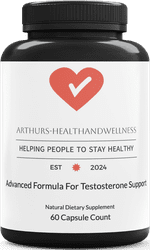
The bottle, called Testosterone Supplements Optimized, is black and white, with a heart-and-checkmark design. It contains 60 capsules to help balance hormone levels and support overall health. Subscribe for a free eBook.
Please Share:
“You have the power to make this post shine and reach the audience it deserves, will you please share?
I invite you to visit my heartfelt corner of the internet at https://myeziestmoolah.org, where posts resonate with the soul. Your support means the world to me, so please consider subscribing, liking, sharing, and leaving a comment. Every gesture of kindness, no matter how small, is deeply appreciated and helps keep this passion alive. Thank you for being a part of this journey!
To provide the best experiences, we use technologies like cookies to store and/or access device information. Consenting to these technologies will allow us to process data such as browsing behavior or unique IDs on this site. Not consenting or withdrawing consent, may adversely affect certain features and functions.
Functional
Always active
The technical storage or access is strictly necessary for the legitimate purpose of enabling the use of a specific service explicitly requested by the subscriber or user, or for the sole purpose of carrying out the transmission of a communication over an electronic communications network.
Preferences
The technical storage or access is necessary for the legitimate purpose of storing preferences that are not requested by the subscriber or user.
Statistics
The technical storage or access that is used exclusively for statistical purposes.The technical storage or access that is used exclusively for anonymous statistical purposes. Without a subpoena, voluntary compliance on the part of your Internet Service Provider, or additional records from a third party, information stored or retrieved for this purpose alone cannot usually be used to identify you.
Marketing
The technical storage or access is required to create user profiles to send advertising, or to track the user on a website or across several websites for similar marketing purposes.


 Don’t keep this gem to yourself! Imagine the ripple effect when your post shines brightly, reaching and inspiring the audience it was meant for. By sharing it, you’re not just spreading a message; you’re creating a wave of positivity and connection that could change someone’s day—or even their life. Let’s amplify its impact together—will you share it and let it sparkle in the spotlight?